Please note that links on this page are affiliate links, and a commission rate may be paid back to Pediatric Achievements.
However, we only suggest toys and feeding tools we love and that are developmentally appropriate for your child!
Fine Motor Development
Cutting Fruit and Veggie Kit
Ages 3-10. Addresses upper extremity strength, bilateral coordination, and sensory processing. It can turn food and vegetables into a game and therefore, by playing with fruits and vegetables, it can make feeding a positive experience.
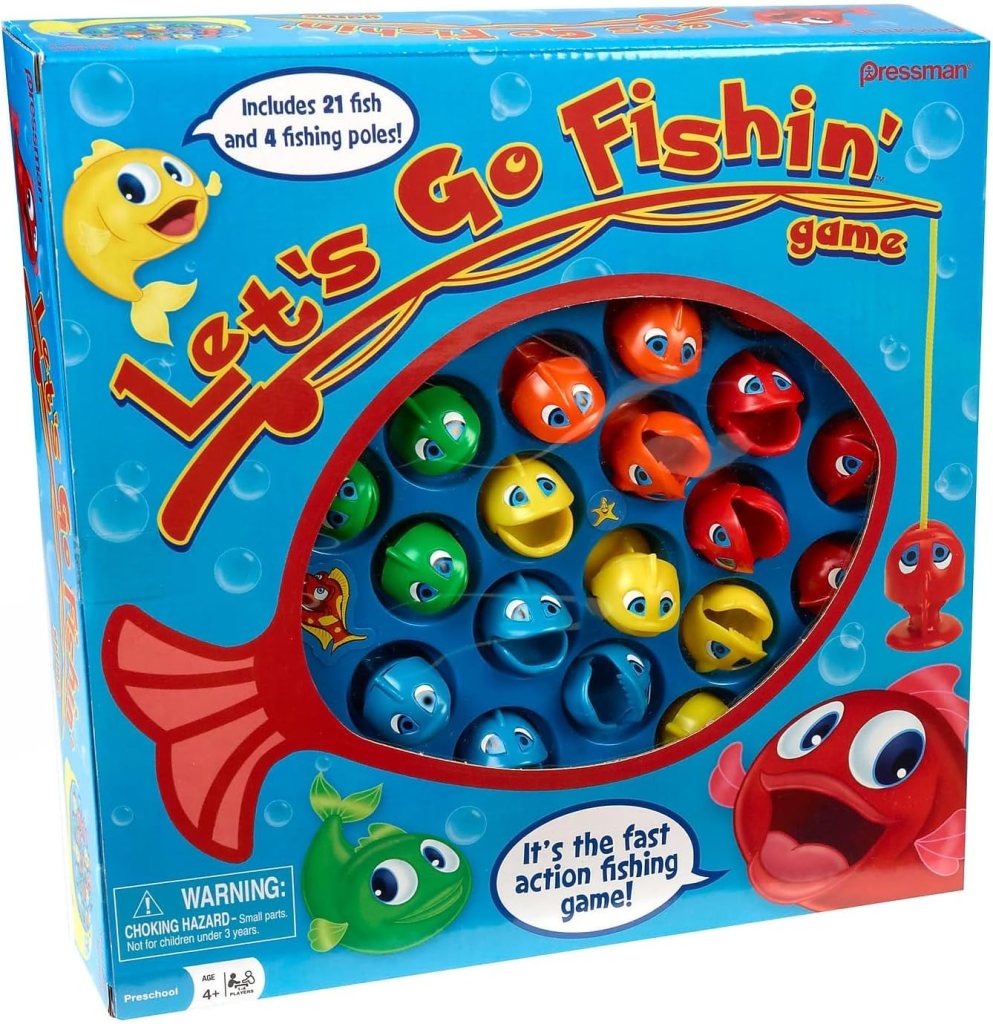
Ages 3-12. Addresses fine motor skills, visual motor skills, visual tracking, and hand eye coordination. I like it because it is a rotating fish board game with music, it can be played with 4 players, and there is an adult friendly quiet switch with no music.
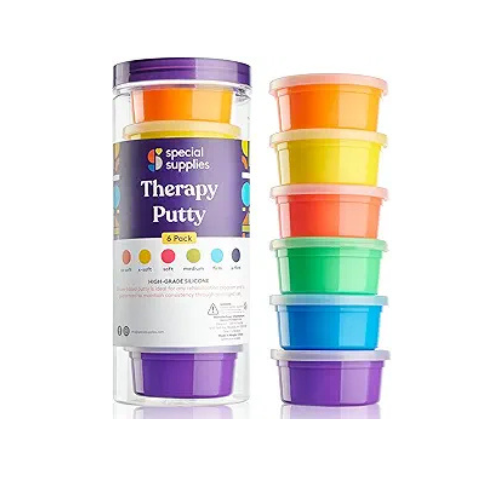
Ages 3-25. Addresses fine motor, coordination, finger strength, and in hand manipulation skills. I love it because they have all different varieties with different strengths as well as different animals hidden inside so it can be fun.
Age range: 3+ Major Skills: Following directions, describing, basic concepts (colors, size, & spatial terms), pretend play, and modeling language Summary: I love this toy as it is different from most building toys (i.e. blocks) and offers multiple ways to play. See who can build the tallest flower, find the most of one color, and discuss how each flower it different.
Ages 3-6. Addresses hand eye coordination, graded control/force modulation, and grasp. I love it because it can be a great way to grade the amount of pressure to use as well as a sensory component with the water pen. Plus kids love it because when you use the water pen, it reveals hidden animals.
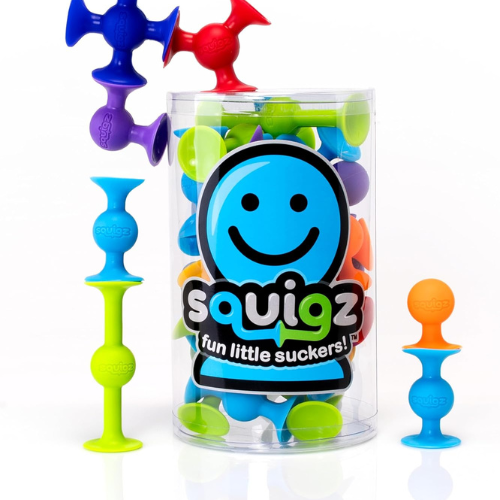
Age range: 4 and up major skill areas the toy addresses: Fine / gross motor strength Grasp patterns Imaginative play Bilateral coordination They are a versatile/neutral tool that can be incorporated into many different interventions and used to target a variety of goals.
Age range: 4-20s major skill areas the toy addresses: Emotional regulation Deep breathing Calming Visual image of for body mechanics during breathing This toy can be used for a calming sensory activity or be housed in a sensory space. This helps create a visual for deep breathing, while also giving children something to do with their hands while dysregulated.
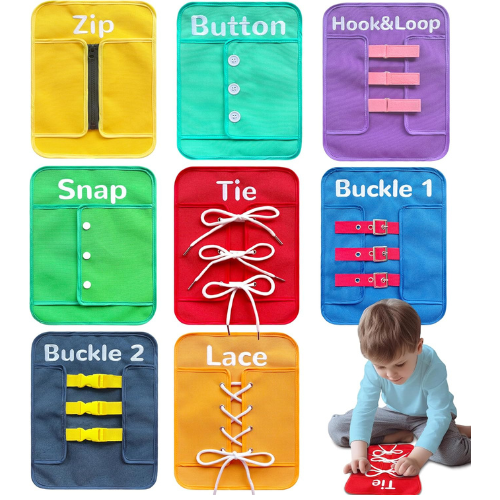
Age range: 5-12 Major skill areas the toy addresses: Fine motor coordination Bilateral coordination Dressing independence This tool offers a variety of dressing closures that children will encounter on a daily basis. These devices simulate many situations all at once or they can be used individually to target one goal at a time.
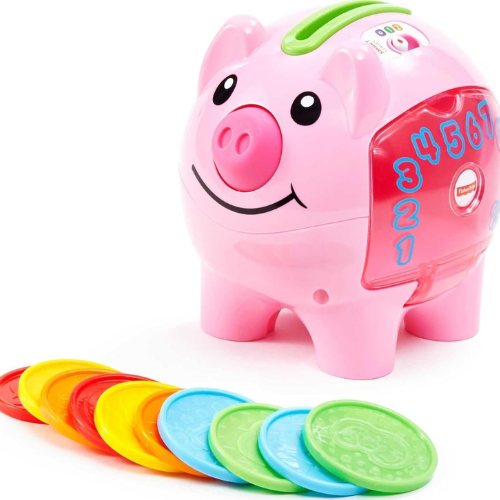
10 months and up This toy can be used to work on balance, strength, coordination and range of motion. The piggy bank toy can be used in a variety of ways to range for children of all ages by using this toy to work on squat to stands, balance in standing while dancing to the music, stomping on the coins while standing on one leg and even performing wall squats by tapping their bottom to push the coins in.
Visual motor, fine motor coordination, and grasp patterns (ages 3 years old- 10 years old). Sometimes it can be hard to attend to fine motor activities, but I find kids enjoy using the dot markers! These markers help to work on fine motor and visual motor skills while attending to a fine motor task!
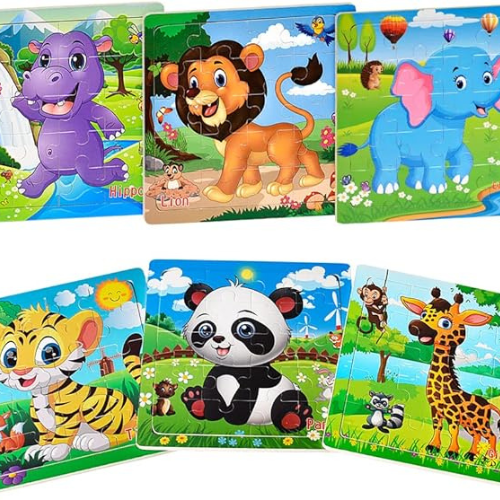
Visual memory, visual closure, visual scanning and tracking skills (ages 3 years and older). Find a puzzle that your kid is interested in (princesses, cars, etc) and spread the pieces around the room, across the table for your child to locate and put together for skills required for fine motor and handwriting tasks!
Ages 2+ with adult supervision and assistance. This toy is so fun to launch the balloons outside and watch it go into the sky and try to catch it as it falls back down! Works on visual scanning, pincer grasping, and hand strength.
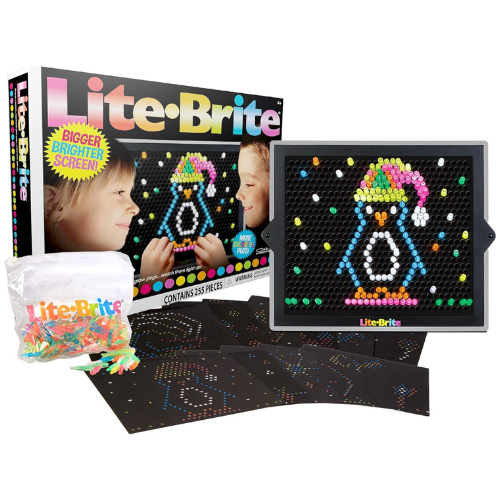
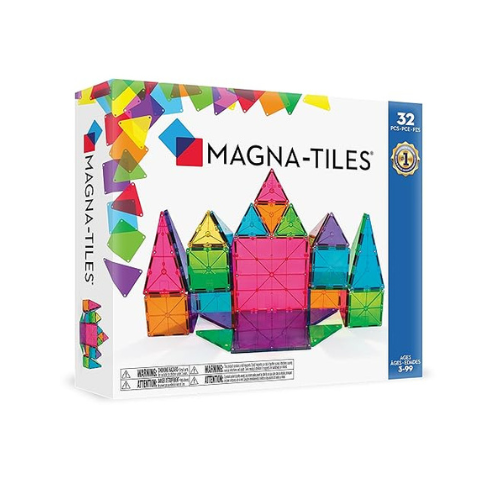
Age range: 5-20s Major skills area the toy addresses: Fine motor coordination Visual motor integration Visual hyper/hyposensitivity This is a higher level toy for more intricate fine motor coordination skills. Children can express themselves with the pieces and work together in a team!
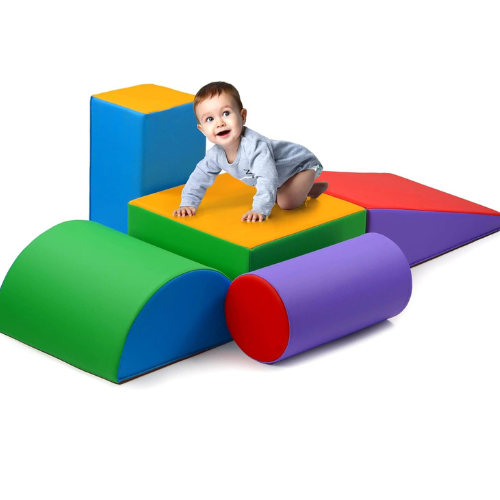
Ages 6 months and up. This toy is used to help address coordination, balance, strengthening and climbing. I love using these blocks as you can use them starting with the child at a young age and then as the child grows, they can still be useful. They are also a safer way for your child to practice climbing, work on transitions and allow them to explore independent play.
Ages 2 and up This toy is used to address balance, coordination, and strength I love using this toy for kids to work on single limb stance balance, hopping, jumping and as a motivation factor during other strengthening exercises such as lifting up their bottom during a bridge and releasing onto the launcher. Not to mention it also works on fine motor skills and manipulation having the put the rocket on the base.
Ages 3 months to 4 years old This toy is great to work on strengthening, coordination, balance and targeting skills such as walking, standing, and transitions. This toy is great because you can use it starting at a young age by taking off the front face piece and putting it on the floor. Then as the child gets older you can use it for higher level skills such as tall kneeling, transitioning into standing and walking!
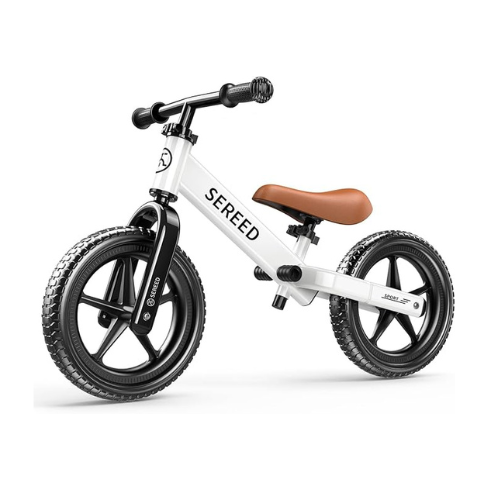
Great for ages 18 months+, this will help your child learn how to adjust their body for balance, making the transition to a regular-sized two-wheeled bicyclce a breeze!
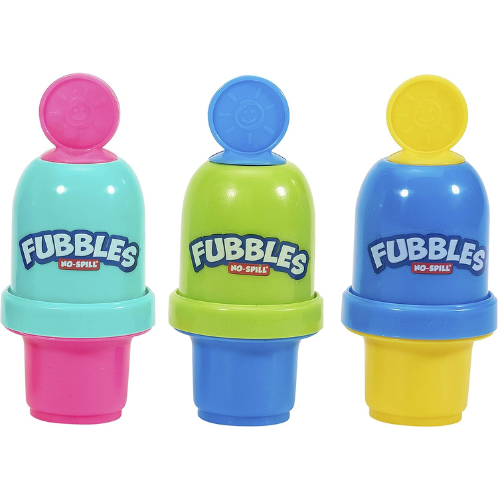
Ages: 2 years and up. Skills: oral motor skills, breath support, regulation, counting, adjectives, requesting. Bubbles are fun, quick, and kids love them! Blowing bubbles can assist with oral motor skills, such as rounding the lips. Bubbles can be a tool assisting with breath support and using deep breathing to regulate a child. Have a bubble party and practice counting bubbles, describing the bubbles, and using language to request for more bubbles!
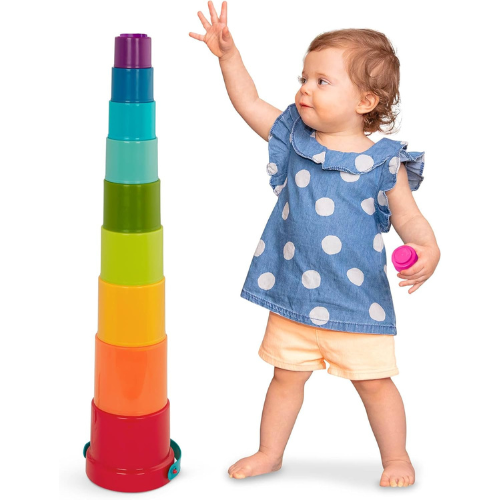
Ages 1-5 years. Skills: sorting, matching, basic concept identification, following directions, spatial concepts (in/out, up/down, on/off/, open/closed, on top/under) fine motor skills, and problem solving. This toy can be a challenge to early language learners and provides great opportunities to use language to ask for help, learn the basic concepts (shapes, numbers, colors), and follow directions. A fun activity that kids always enjoy is to stack the pieces into a tower, sing a song (I like Ring Around the Rosie), and knock the tower over.
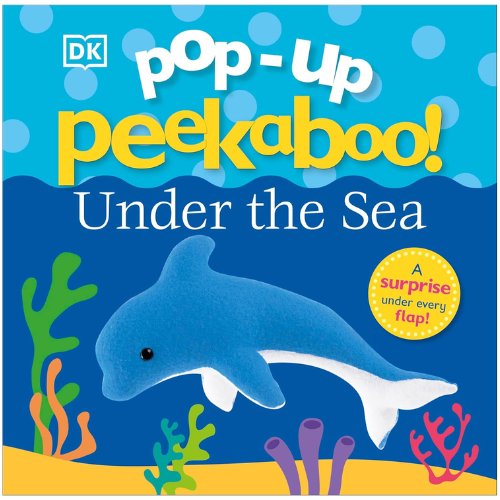
Ages: 6 months and up! Skills: fine motor skills, visual tracking, attention span, asking/answering questions, basic concepts, emerging literacy skills, and reading. Pop-up and touchy-feely books are a great way to introduce children to books and reading! These books are short, interactive, and promote early language learning. With textured books, you can make up the story and use whatever pages/textures your child is interested in! Reading a book doesn’t mean you have to read it word for word, make it fun and expose your child to books!
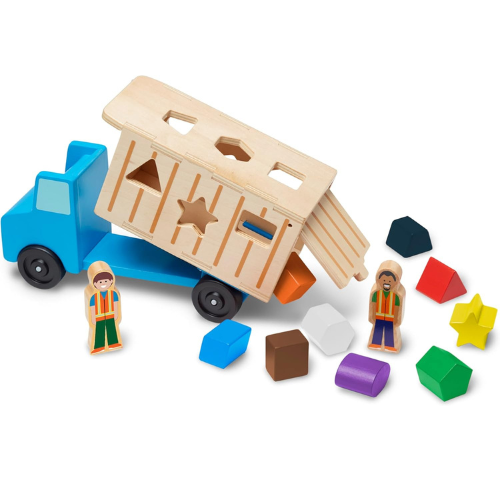
Age range: 2+ Major skills: Basic Concepts: colors, spatial terms (in, out, on, off, up, down), and shapes; Modeling language Summary: Compared to most shape sorters that are in the shape of a cube, this toy offers the opportunity to carry out pretend play and explore community helpers.
Ages: 1-5 years. Skills: sorting, matching, basic concept identification, following directions, spatial concepts (in/out, up/down, on/off/, open/closed), fine motor skills, and problem solving. This toy is great for early language learners as they explore basic concepts such as shapes, numbers, and colors and assists in higher level skills such as problem solving. This classic shape sorter is small, portable, and easy to clean!
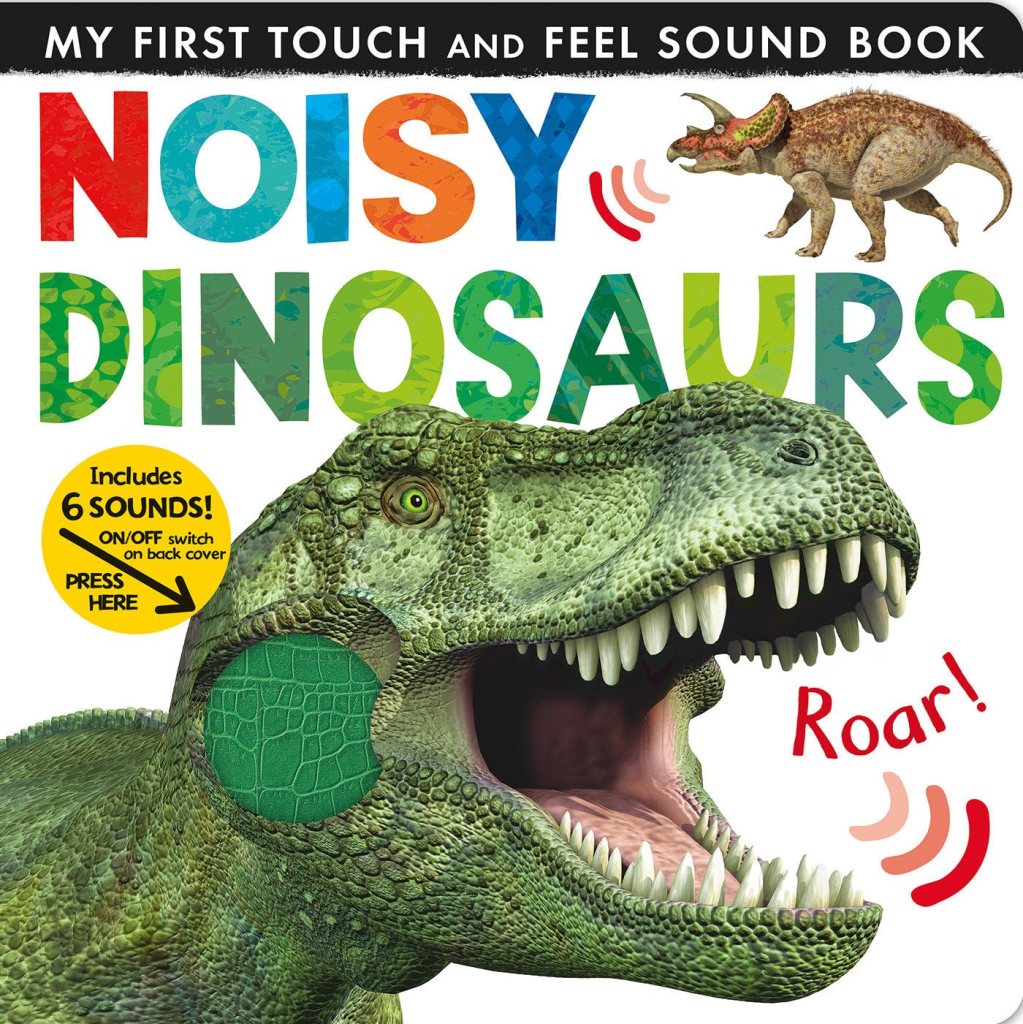
Ages birth-6. Addresses sensory issues, tactile aversions, different textures. It can be a positive way to experience different textures within a story.
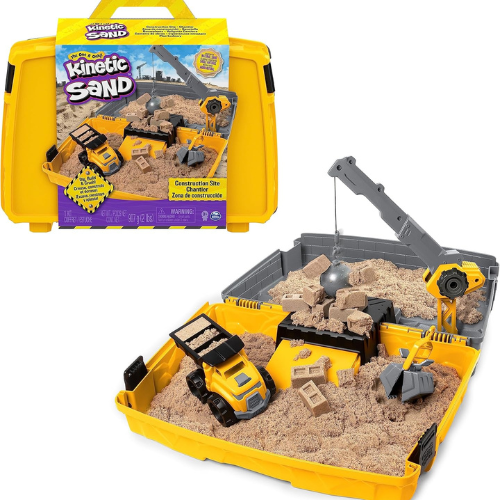
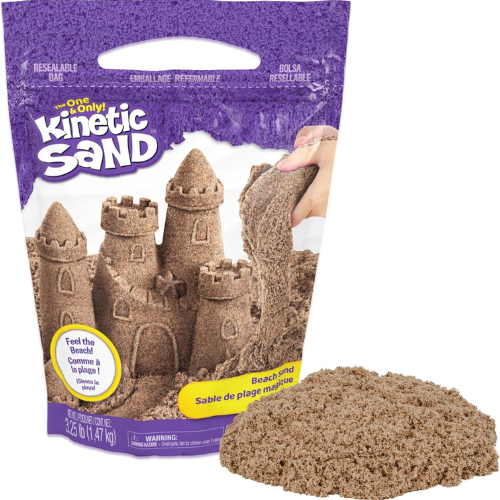
Age range: 3+ (Per my experience with my own kinetic sand box in the clinic) Major skills: Describing, sequencing tasks, problem solving, and modeling language Summary: I love kinetic sand because you can pair it with a variety of toys and daily items to create a new experience every time you play. Most of my kids enjoy hiding items in the sand and then working as a team to find, sort, and describe them.
Kinetic sand: tactile tolerance, bilateral coordination, hand strengthening, and fine motor coordination (ages 3 years and older). I love making sensory bins with kinetic sand and adding anything to scoop, grasp, or play with inside! You can target a range of skills with a kinetic sand sensory bin while targeting tactile tolerance and having fun with your kiddo!
Executive Function/Learning and Problem-Solving Skills
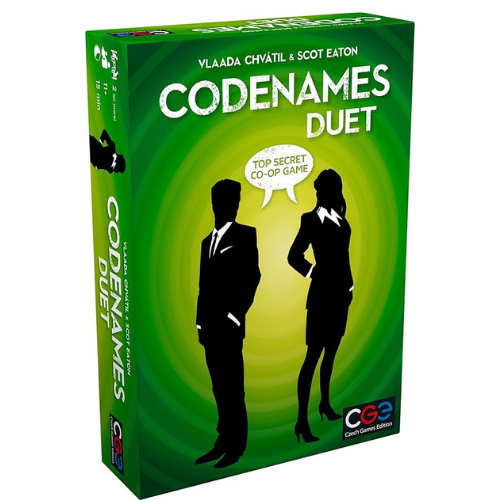
Code Names Duet
Age Range: 12+ Skills Addressed: Cognitive Flexibility, Working Memory, Planning, Perspective Taking, Teamwork/Social Skills, Reading/Vocabulary Why I like it: Codenames Duet is a great way to help your child take on their teammates’ perspective in order to work together to guess all of the correct words while avoiding pitfalls and challenges across a word board!
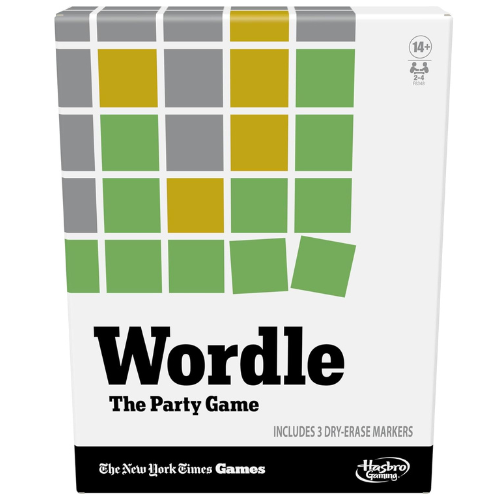
Age Range: 10+ Skills Addressed: Handwriting, Fine Motor Control, Working Memory Why I like it: Just like the New York Timer game, this physical version of Wordle makes handwriting fun and functional! With only needing to write 5 letters at a time, out older friends who struggle with this skill are happy to give this a try.
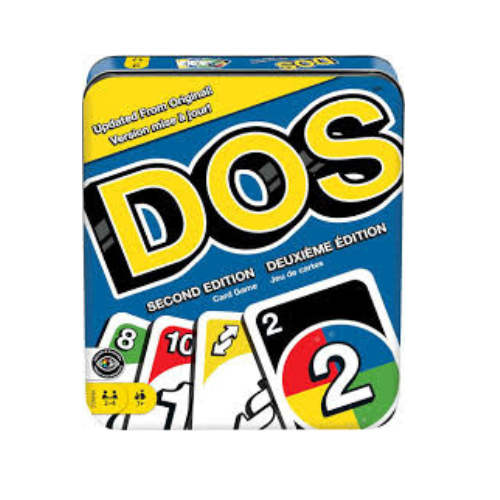
Age Range: 10+ Skills Addressed: Cognitive Flexibility, Working Memory, Planning, Frustration Tolerance Skills Addressed: Cognitive Flexibility, Working Memory, Planning, Frustration Tolerance Why I like it: Fluxx is a fun card game that can last 5-45 minutes. The rules and win condition can constantly change, making it a fun way to work on mental flexibility, following directions, and paying attention to all of the details! Why I like it: Fluxx is a fun card game that can last 5-45 minutes. The rules and win condition can constantly change, making it a fun way to work on mental flexibility, following directions, and paying attention to all of the details!
Age Range: 11+ Skills Addressed: Working memory, Planning, Cognitive Flexibility. Why I like it: Otrio is like tic-tac-toe on steroids! This game is easy to understand and helps children to work on attention to detail and planning out their moves strategically.
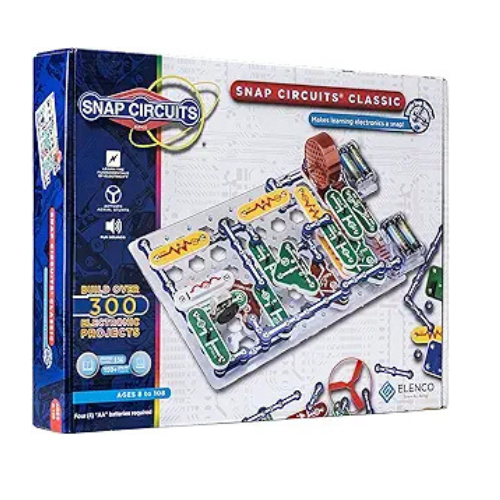
Age Range: 8+ This is a great building toy to follow directions and see the cause & effect. Kids can create fun sounds and other effects based on what they build. It also works on strengthening the small muscles in the hands.
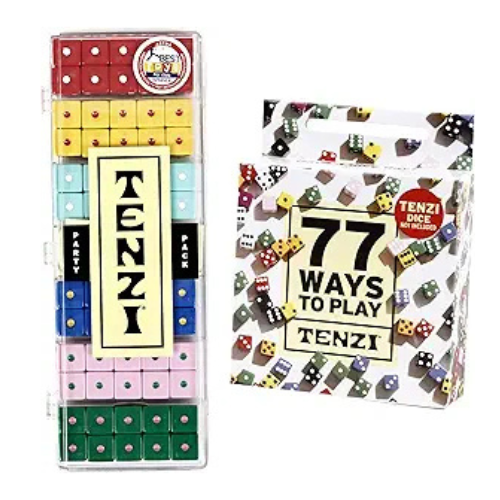
Ages 7+ This is a simple but fun family game! Add as many players as you want and play over 70 variations of games using the dice! It works on counting, speed, hand strength to roll the dice, and visual scanning.
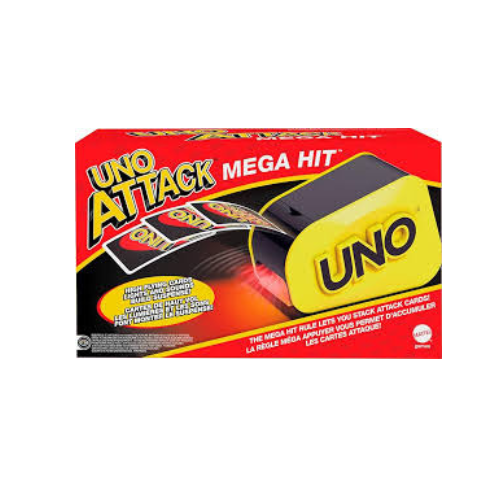
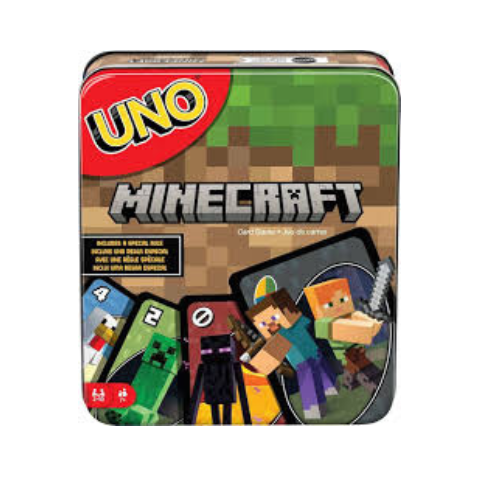
Ages 7+ This is a timeless classic that works on counting, matching and strategy while addressing hand strength of the small muscles to hold your cards! There are so many fun variations of this game, so you might want to get a few of them!
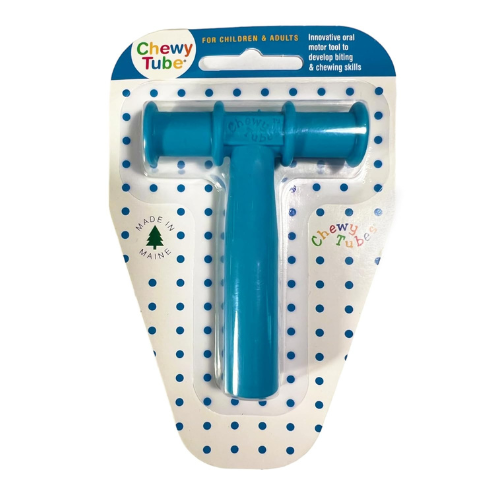
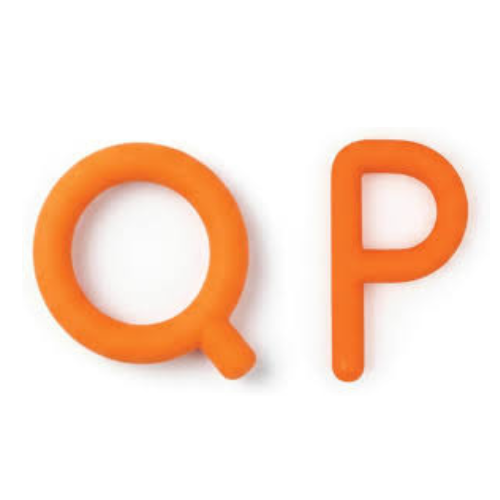
Chewy tubes come in different shapes, such as a “T” tube or “P” tube. They also have different textures to provide sensory input. These are good to help the tongue move sideways in the mouth- a skill that is required to break down food before swallowing. Both can also be used to dip into stage 1/ pureed foods for eating.
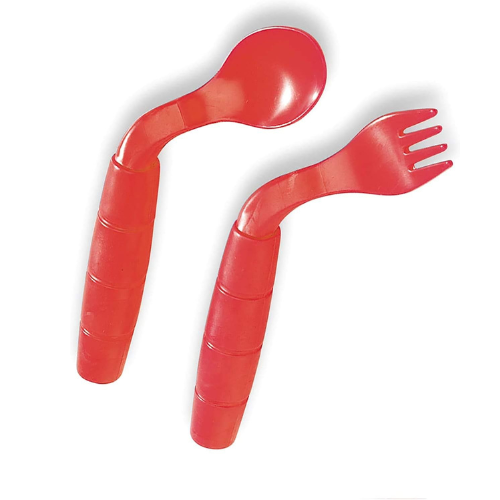
Often times when learning to use a spoon and fork, a child does not yet have the wrist movements to get the food into their mouth efficiently and without most of the food falling off the utensil. Easy Eaters were developed by an occupational therapist (who Miss Erin knows!) to help children get food to their mouth more easily and prevent it from spilling until a child learns how to move their wrist more effectively.
Chewy tubes come in different shapes, such as a “T” tube or “P” tube. They also have different textures to provide sensory input. These are good to help the tongue move sideways in the mouth- a skill that is required to break down food before swallowing. Both can also be used to dip into stage 1/ pureed foods for eating.
We often recommend these cups, especially as children learn to drink from an open cup. The cut-out portion helps to prevent a child from hyper-extending their head/ neck during drinking which will make them safer when drinking and swallowing. (Have you ever tried to swallow liquid while your head is tilted backward? Go ahead and try it!)
These teethers vibrate when your child bites down on them. This is a good teether to give your child extra sensory input through vibration as well as to help increase their bite strength.
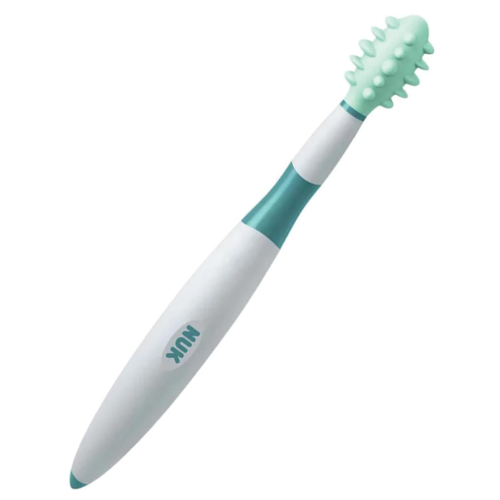
This is another way to provide sensory input in and around the mouth, and is especially good for infants. There are many varieties on the market, and finger brushes can be found in many local stores, such as grocery stores, Target, and Wal-Mart. They usually start around $3.00.
While this product is a bit more expensive, it has different tips that can be changed out and used very effectively for your child to increase their bite strength, lip strength and tongue movements. It has a vibratory component to it as well for extra sensory stimulation. The tips can be cleaned and sanitized in your dishwasher. We have had great success with daily and consistent use of a Z-vibe.
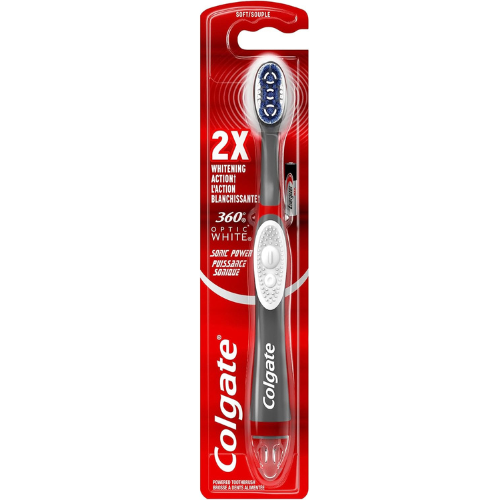
This is a cheaper and easier way to provide regular daily sensory input for your child. It is also a useful way to allow your child more control when brushing their teeth. These can be found locally at most stores, and generally start around $4.00.
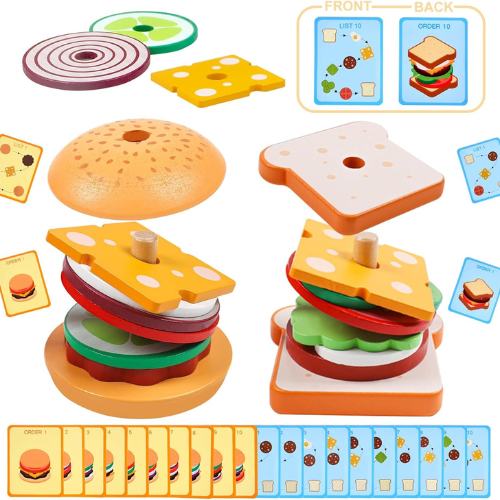
Motor planning, visual motor skills, fine motor coordination (ages 3.5 years old- 9 years old). I love using this toy and hiding the pieces around the too to add visual scanning skills into this activity. Then they kiddos have to recreate the burger in the appropriate orientation to work on motor planning skills! Add in core strengthening by completing this on a scooter, or just laying on your belly!